
The Ultimate Guide to Branding for Health and Wellness Businesses
If you are building a health or wellness brand, you already know the space is crowded.
Therapists. Nutritionists. Yoga studios. Supplement brands. Functional medicine doctors. The wellness industry is massive, and most brands inside it look exactly the same: sage green, a soft serif font, some abstract botanical imagery, and copy that says "whole-body healing" without saying anything at all.
The problem is that when everyone reaches for the same visual language, nothing stands out. And in an industry where clients choose based on trust, not price, blending in is a real business problem. Standing out actually means being more specific, more honest, and more intentional than the brands around you.
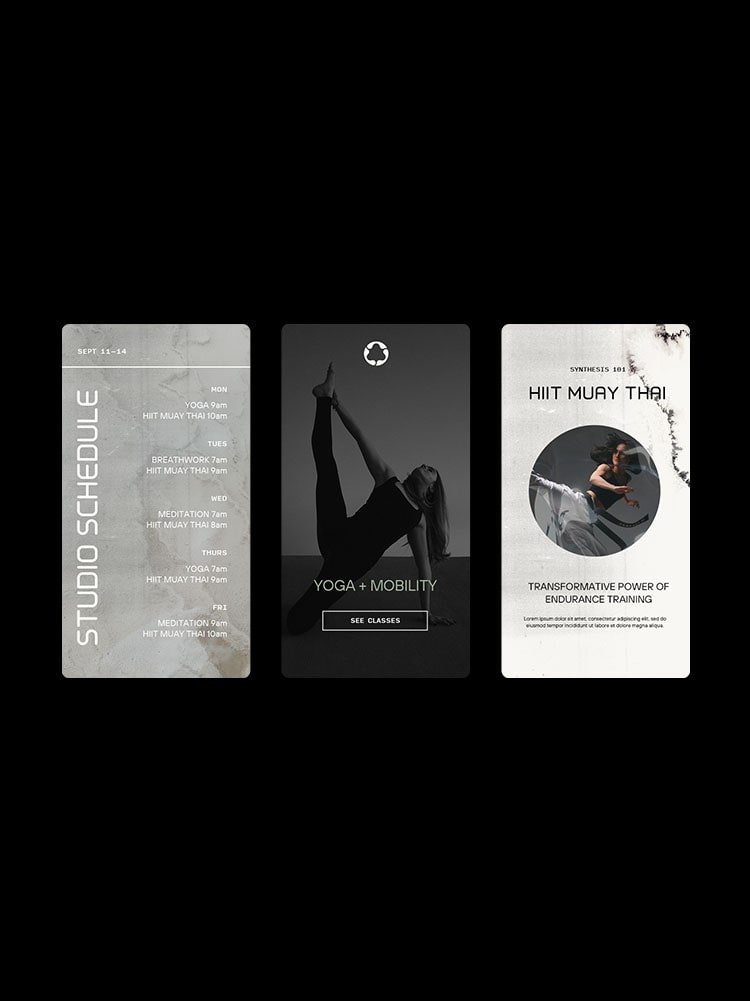
Why Branding Matters More in Wellness
People do not choose a therapist or a wellness practitioner based on price. They choose based on trust. And trust is built through perception, which is exactly what branding shapes.
A well-branded wellness business communicates competence before you ever speak to a potential client. It signals that you take your work seriously and that the experience of working with you will feel as premium as you say it is. A generic logo and a Canva template do not do that — they signal that you are just getting started, even if you have been in practice for a decade.
This matters more in wellness than almost any other industry because the stakes feel higher for the client. They are trusting you with their body, their mental health, or their physical transformation. Your brand is the first filter they use to decide whether that trust is warranted.
What Makes Wellness Branding Different
Wellness branding has to walk a specific line: warm and human, but also credible and professional. Approachable without feeling basic. Calm without feeling clinical.
Most wellness brands default to one extreme, either so minimal they feel cold, or so soft they feel indistinguishable from every other brand in the space. The ones that get it right have a clear point of view. They know exactly who they are speaking to, what that person needs to feel before they book, and how every visual and verbal choice contributes to that.
It also looks different depending on your specialty:
A trauma therapist needs a brand built almost entirely around emotional safety.
A functional medicine practitioner needs to balance scientific credibility with warmth.
A fitness studio can carry more energy and personality.
A product brand needs to move fast and build trust at a glance.
The audience is different in each case, the emotional need is different, and the brand should reflect that.
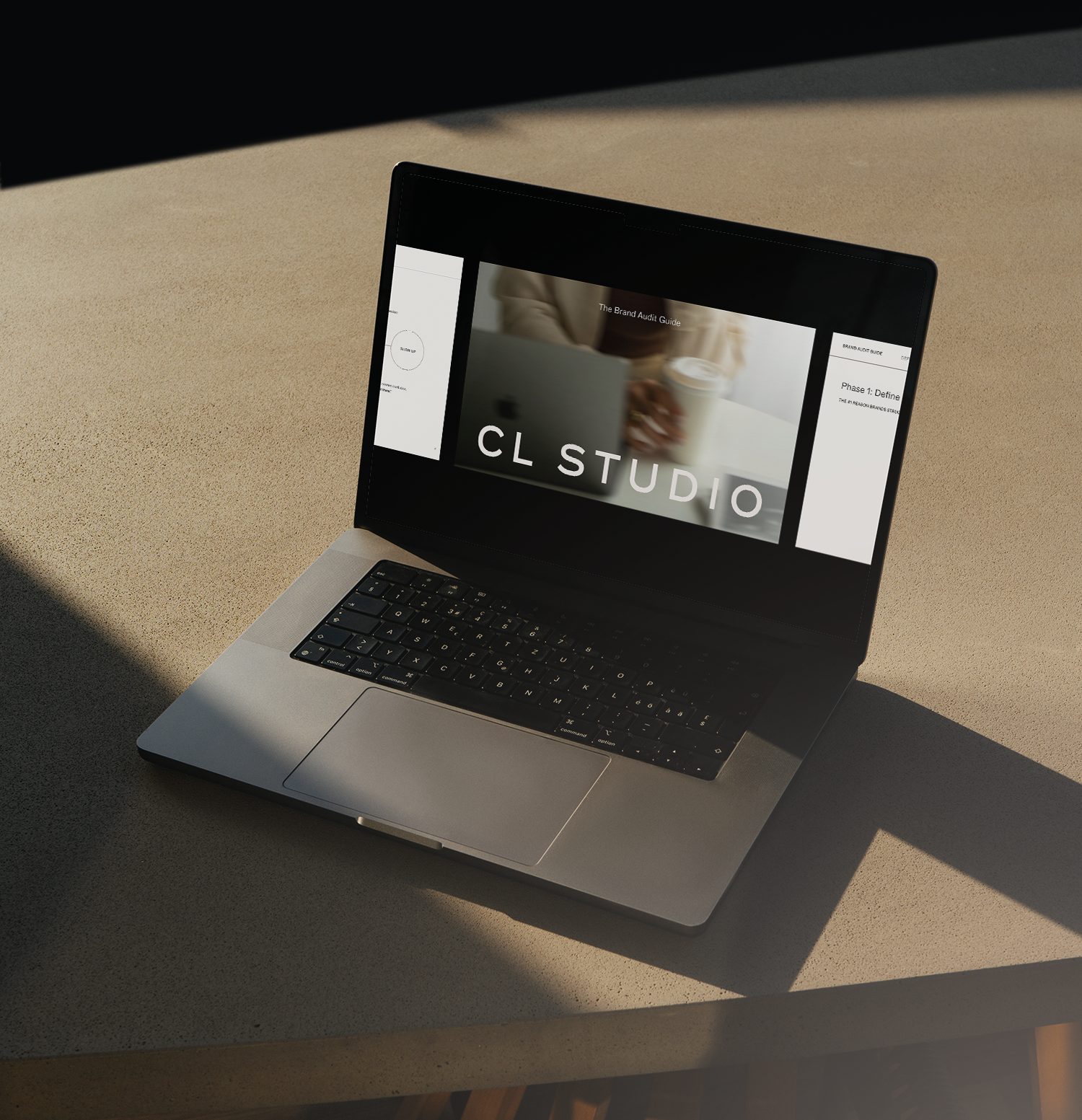
Download The Free Brand Audit Guide
Most brands don't fail because of bad design, they fail because something's off and nobody can pinpoint what. After nearly a decade running a creative agency, we can. We created a free brand audit guide so you can finally see your brand clearly, and know exactly what to fix.
The Core Elements of a Strong Wellness Brand
Strategy before design. Before any visuals, you need clarity on who you serve and what they need to feel before they book. Your positioning is the foundation. Without it, even a beautiful brand will not convert.
A visual identity that builds trust. Color, typography, and photography do emotional work in wellness. Soft neutrals and warm earth tones communicate calm and safety. Serif fonts tend to feel trustworthy and established. Real photography almost always outperforms stock because clients in this space are looking for authenticity above all else.
Messaging that speaks to where your client actually is. The best wellness copy does not lead with credentials. It leads with the feeling your client wants to have. Start where they are now, meet them there, and show them where they can go. Write the way you actually talk, not the way you think a brand is supposed to sound.
Consistency across every touchpoint. From your website to your intake form to your email footer, everything should feel like it came from the same place. That consistency is what turns a collection of design assets into a brand clients trust.

Brand Design for Body First Healing, founded by Brittany Piper
Your Website Is Where the Decision Gets Made
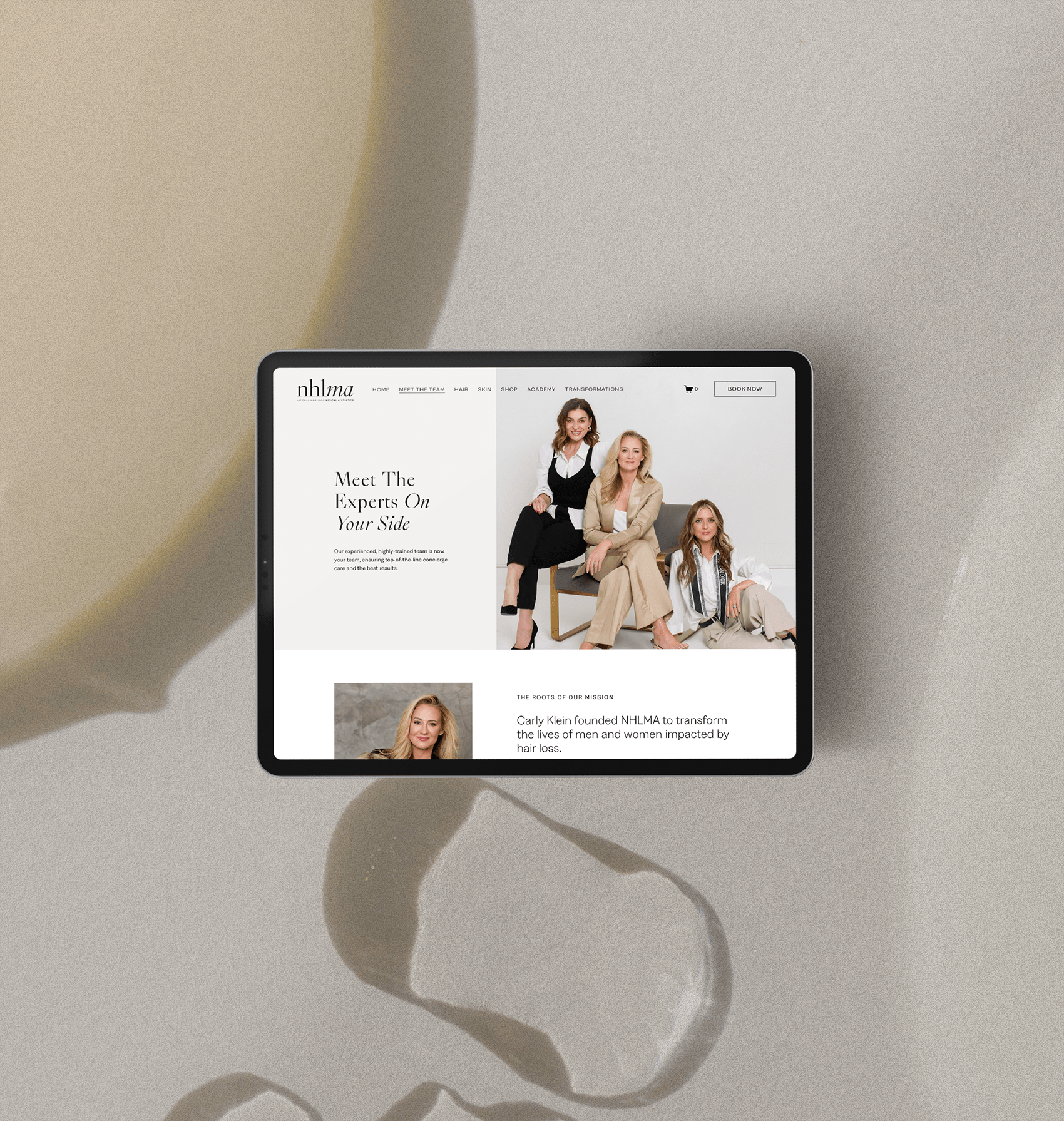
Most wellness clients make their decision on your website, often within the first sixty seconds. Your homepage needs to immediately tell visitors who you help, make them feel understood, and show them what to do next. Lead with your client's experience, not your credentials.
Your about page is usually the most visited page on a wellness site and the most underusedd. Do not lead with your degree. Lead with something human — why this work, what your approach actually looks like, what clients say happens after working with you. This is where someone decides whether to trust you. Give them something real.
At CL Studio, we have built brands for wellness businesses across the country — from National Hair Loss Medical Aesthetics and Elevé Therapy & Co to Lexfish Pilatesand Synthesis Fit. In every case, the turning point was the same: when the brand finally matched the quality of the work inside the practice or studio, everything changed.
When to Invest in Professional Branding
If you have been in practice for a few years and you are ready to raise your rates, attract a more specific kind of client, or grow your team, your brand should reflect that. The clearest sign it is time: if you feel hesitant to share your website, or if you keep explaining yourself on discovery calls because your brand did not do that work for you, that is the signal.
Common Mistakes to Avoid
Chasing trends instead of building something that lasts, ie. sage green and soft fonts will date, but a brand built on strategy will not.
Going straight to design before the messaging is clear, because no color palette can fix unclear positioning.
And building a brand around your own taste instead of what actually resonates with your ideal client. Contrary to what people think, your brand is not for you, it is for the person deciding whether to trust you.
Frequently Asked Questions
Do I need branding before I build my website?
Ideally yes. Your website should be an expression of your brand, not the place where you figure it out. Getting the brand right first saves you from redoing everything in two years.
How much does wellness branding cost?
A full custom brand identity and website from a boutique agency typically ranges from $5,000 to $20,000 or more depending on scope. Semi-custom options are a strong middle ground for practices not ready for that investment. We offer both at CL Studio and are happy to talk through what makes sense for where you are.
What is the difference between branding and marketing?
Branding is who you are, ie. your identity, positioning, visual system, and voice. Marketing is how you communicate that to attract clients. Branding creates the foundation. Marketing amplifies it. Without a strong brand underneath, marketing tends to feel inconsistent and produce uneven results.

Ready to Build a Wellness Brand That Does the Work for You?
Hi there! I'm so glad you found us in this corner of the internet.
I'm Chloe Leonard, the founder of CL Studio, a boutique creative agency based in Nashville, TN. After 10 years of working with hundreds of clients, including Almost 30 Podcast, Clearstem Skincare, Harper Collins, and Free People, I've become more passionate than ever about giving founders the clarity and tools to build brands that TRULY stand out.
We help service-based and eCommerce businesses move from DIY beginnings to fully-realized brands – built with confidence and longevity in mind. Because good brands show up, but great brands own the room for years to come.