
How to Choose a Brand Designer Who Specializes in Therapy Practices
By Chloe Leonard, Founder of CL Studio
Choosing a brand designer for your commercial or boutique therapy practice is a different kind of decision than choosing one for most other businesses. The stakes are different. Your clients are not selecting a restaurant or a clothing brand. They are making a vulnerable, often deeply considered choice about who they will trust with their mental health. Your brand has to honor that.
Not every designer understands this nuance. A designer who primarily works with e-commerce brands or tech startups may be talented, but they may not have the sensitivity to the specific emotional landscape of therapy marketing. Finding someone who does changes everything about the outcome.
Ask About Experience With Service-Based and Healthcare Adjacent Businesses
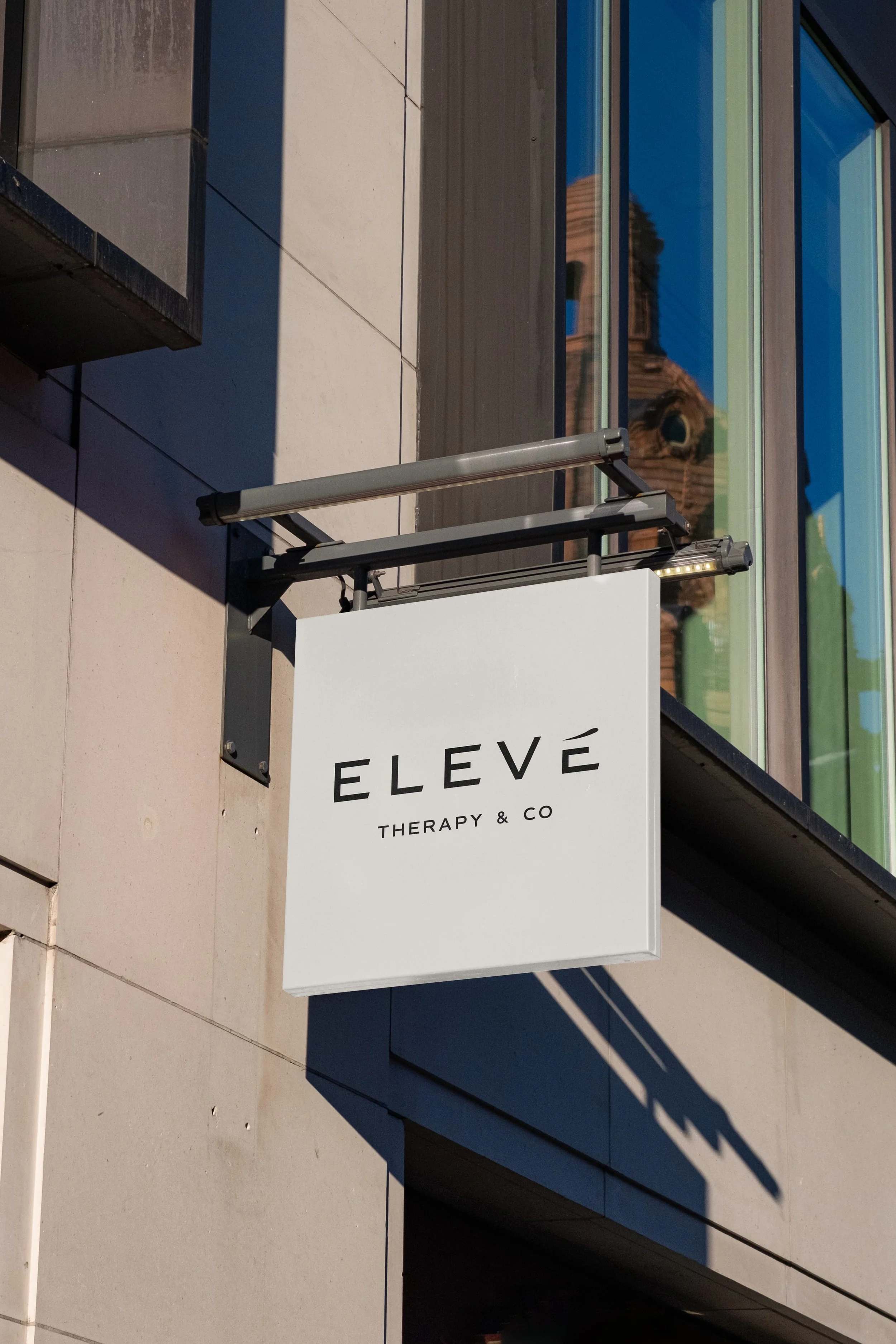
When you are evaluating a brand designer, look specifically at whether they have worked with service-based businesses where trust is the primary thing being sold. Therapy is not a product. You are not making a claim a client can verify before purchasing. They are choosing you based almost entirely on how your brand makes them feel.
Designers who have worked with therapists, coaches, wellness practitioners, or other trust-based service providers understand how to balance warmth and professionalism in a way that general brand designers may not. That specific experience matters.
Look for a Designer Who Leads With Questions, Not Concepts
One of the clearest signals of a designer who will be a good fit for a therapy practice is how they approach the beginning of a project. Do they start by showing you styles they are considering? Or do they start by asking about your clients, your approach, your values, and what you want your practice to feel like?
The latter is what you want. A designer who begins with deep questions is one who understands that the visual outcome should emerge from the strategic foundation, not precede it. In therapy branding especially, where the wrong visual tone can inadvertently create distance rather than safety, this approach is essential.
Trust Your Gut About the Relationship
The best branding outcomes happen in relationships where both parties feel genuinely heard and respected. As a therapist, you know better than most people that the quality of a relationship shapes the quality of the work that happens within it. The same is true of the designer-client relationship.
Pay attention to how you feel during your initial conversations with a prospective designer. Do they seem curious about your work? Do they make you feel like your practice is interesting and worth understanding? Do they communicate in a way that is clear and honest? Those qualities in the sales conversation are reliable predictors of how the project itself will go.
If you haven't already read our full guide to branding for therapists, that's a good place to start before diving into what makes group practices different.

If we haven’t met, hello! We’re so glad you found us in this corner of the internet.
I'm Chloe Leonard, the founder of CL Studio, a boutique creative agency based in Nashville, TN. After 10 years of working with hundreds of clients, including Almost 30 Podcast, Clearstem Skincare, Harper Collins, and Free People, I've become more passionate than ever about giving founders the clarity and tools to build brands that TRULY stand out.
We help service-based and eCommerce businesses move from DIY beginnings to fully-realized. brands – built with confidence and longevity in mind. Because good brands show up, but great brands own the room for years to come.
Download Our Free Brand Audit Guide
Feel like your brand is missing the mark? Not sure where to start. As a creative agency for almost a decade, we know where a brand needs a little TLC. That’s why we created the free brand audit guide so you can take your brand consistency, alignment, and look into your own hands.
