
By Chloe Leonard, Founder of CL Studio
Someone just subscribed to your email list. They raised their hand. They said: I am interested in what you have to say.
What happens next?
If the answer is they get a generic confirmation email and then hear from you sporadically whenever you remember to send something, that is a missed opportunity. A significant one. Because the moment someone joins your list is one of the highest-intent actions a potential client or customer can take, and what you do in the days immediately after determines whether that person becomes a loyal buyer or a name that unsubscribes before you ever had a real shot.
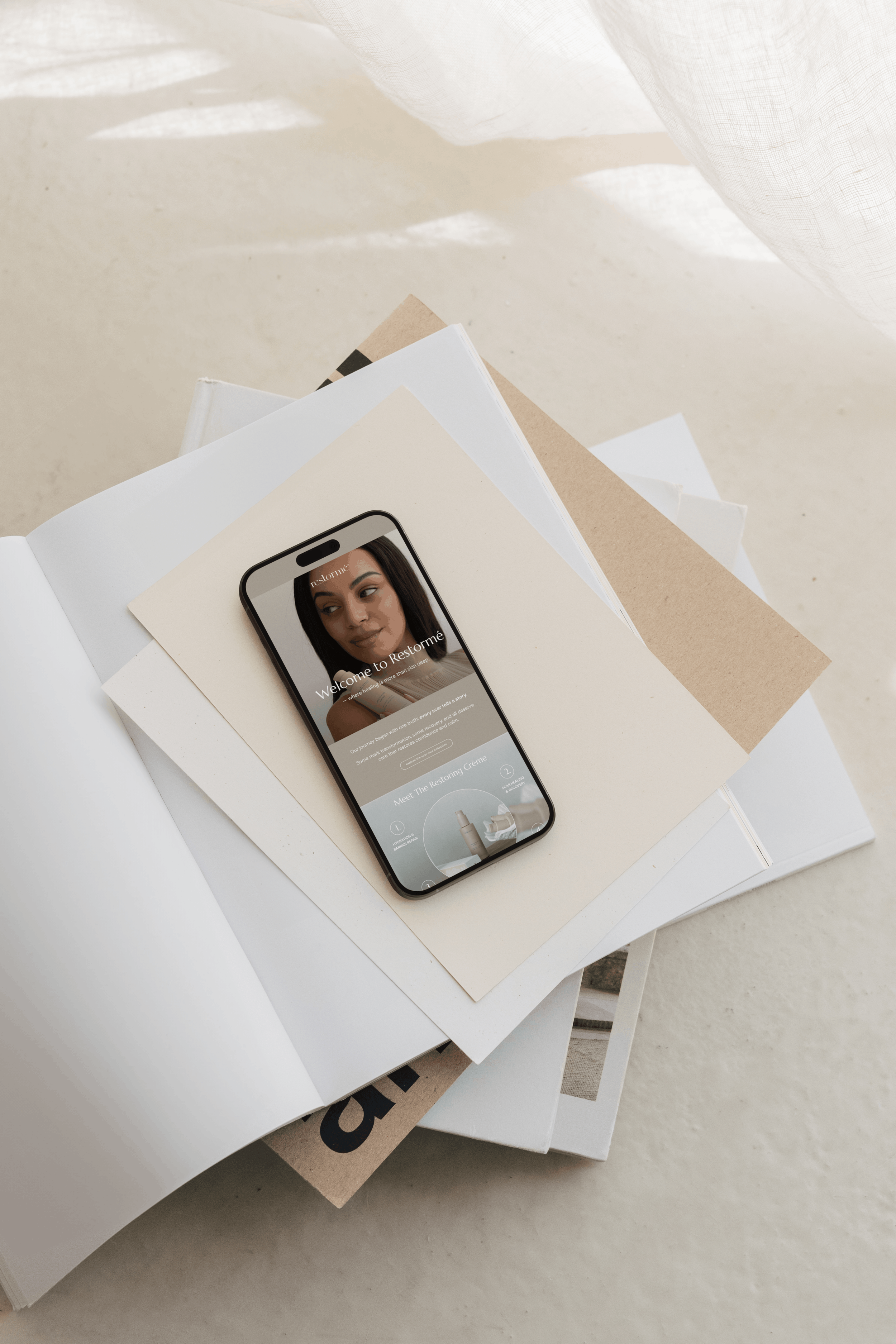
A welcome email sequence is what should happen next. It is your first real conversation with a new subscriber, and once you build it, it runs automatically in the background while you focus on everything else.
Here is how to build one that actually works, whether you are a service provider, a coach, or an eCommerce brand.
Why Your Welcome Sequence Matters More Than Any Other Email You Send
Welcome emails have significantly higher open rates than standard marketing emails, sometimes three to four times higher. People are paying attention right now. Your brand is fresh in their mind and they are genuinely curious about what comes next.
This is the window where you get to shape how they see you. Not just what you sell, but who you are, what you stand for, and why you are the right choice. Most small businesses skip this entirely or send a single confirmation email and call it done. A well-built welcome sequence is one of the highest-converting automations in your entire email strategy. It works around the clock and does the relationship-building work even when you are fully offline.
What Is a Welcome Email Sequence?
A welcome sequence is a series of automated emails sent to new subscribers immediately after they join your list. It is your first opportunity to introduce yourself, build trust, deliver genuine value, and move someone from mildly curious to ready to buy or book.
Most welcome sequences are three to seven emails sent over one to two weeks. They are the highest-performing emails you will ever send because they reach people at peak engagement with your brand. For a free walkthrough of the essential email flows every small business should have set up, grab our free Essential Email Flows Guide here.
How Long Should a Welcome Sequence Be?
There is no single right answer, but a solid starting point for most service providers and eCommerce brands is a sequence of three to five emails sent over the course of one to two weeks. This gives you enough time to build genuine connection before making an ask, without dragging the sequence out so long that the momentum dies.
A common structure that works well:
Email 1: Send immediately after opt-in
Email 2: One to two days later
Email 3: Three to four days after that
Email 4: Three to four days after that (I typically like to stop at 3 emails but if you have a lot of offerings and are a service provider, I recommend 4-5)
Email 5: A few days later, with a clear call to action
The pacing matters. Too fast and it feels aggressive, but too slow and the connection fades. The goal is to stay present without being overwhelming.
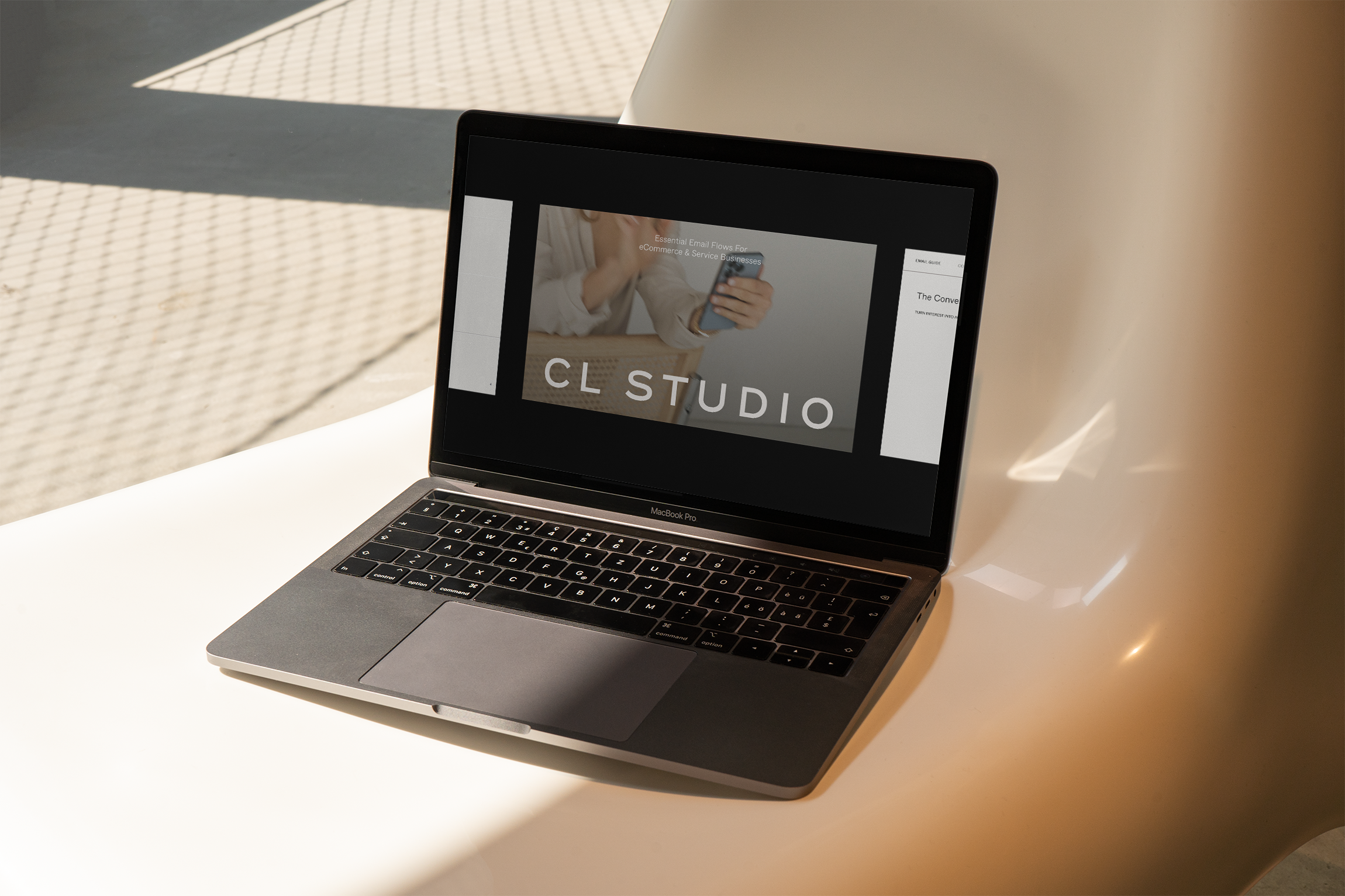
Feel like your email strategy isn’t quite landing?
That’s why we created a free Essential Emails Guide for eCommerce and Service Businesses so you can review your messaging, design, and consistency with clarity and confidence, and start making improvements that actually move the needle.
What Each Email in Your Sequence Should Do
Each email in your welcome flow should have one clear job. When you try to do too much in a single email, nothing lands with impact. As a creative agency for small businesses, here is our framework you can adapt to your brand:
Email 1: Deliver and Delight
If someone opted in for a freebie, a discount, or a lead magnet, this is where you deliver it. Keep this email warm, clear, and on-brand. Include a brief note about who you are and what they can expect from being on your list. Set the tone right here. This email should feel like a welcome to something worth being part of.
Email 2: Tell Your Story
People buy from people they feel connected to. This is your chance to share who you are, how you got here, and why you do what you do. Not your entire resume. Not a bullet point list of credentials. The real story. The moment that shifted things for you. The reason this business exists. When subscribers understand the human behind the brand, they become far more likely to stay, engage, and eventually buy.
Email 3: Establish Your Credibility
Now that they know who you are, show them why you are the right person or brand to solve their problem. This can look like sharing a client win or transformation, featuring a strong testimonial, or walking them through a specific result you have helped someone achieve. Social proof at this stage is powerful because the subscriber is already warming up to you. Proof pushes them further down the path.
Email 4: Teach Something Valuable and Answer Any Common FAQs
Give before you ask. Share a genuinely useful tip, insight, or piece of education that is directly relevant to what your subscriber came for. This builds trust faster than anything else because it shows you are here to actually help them, not just sell to them. A service provider might share a common mistake their clients make before working together. An eCommerce brand might share how to get the most out of their product category. The key is to make it specific because specificity builds trust.
Email 5: Make the Offer
By now your subscriber knows who you are, trusts that you deliver value, and has seen proof that you get results. This is when you invite them to take the next step. Be clear and direct about what that step is, whether it is booking a discovery call, shopping a collection, or applying to work with you. The bottom line is make the ask confidently and make it easy to act on, as you have done the work to earn this moment.
Writing Tips That Make Your Sequence Convert
The strategy is only as strong as the writing that carries it.
Here is what to keep in mind as you write each email:
Write like a person, not a brand brochure. Your subscriber is a human being reading an email, so you probably should sound like one too. Use natural language, short sentences, and a tone that reads like you’re having an authentic one on one conversation with them.
Keep subject lines specific and curiosity-driven. Your subject line is the only thing standing between your email and the trash folder. Make it feel personal, not promotional.
One email, one goal. Every email should have a single focus and a single call to action. When you give people too many options, they choose none of them.
Make it scannable. Short paragraphs, clear structure, and white space make your emails easier to read and more likely to actually get read.
Stay consistent with your brand voice. Your emails should feel like an extension of your website, your social media, and your overall brand personality. Consistency builds recognition and recognition builds trust.
Tailoring Your Sequence for Service Providers vs. eCommerce Brands
The structure above works for both, but the emphasis shifts depending on what you sell.
For service providers, the welcome sequence is primarily about building trust and relationships. Your subscriber needs to feel like they know you before they will invest in working with you. Lean heavily into story, social proof, and education. The call to action at the end is typically a discovery call, an inquiry form, or an invitation to learn more about your services. That being said, we recommend Flodesk or Squarespace (depending on if this is your main website platform).
For eCommerce brands, you still need to build connections, but the path to purchase is often shorter. Your emails can move a little faster toward the offer, especially if you have a discount or incentive to share. Focus on communicating your brand values, the quality of your product, and what makes you different from every other option out there. Use customer reviews early and use them often. That being said, we recommend Klaviyo for its seamless integration with Shopify and robust pre-built flows for Welcome, Abandoned Cart, Post-Purchase, and more.
The Details That Make or Break Your Sequence
Beyond the content itself, a few logistical elements can make a significant difference in how your sequence performs:
Send from a real name, not just a brand name. Emails from "Chloe at CL Studio" feel more personal than emails from "CL Studio." Personal sender names get higher open rates.
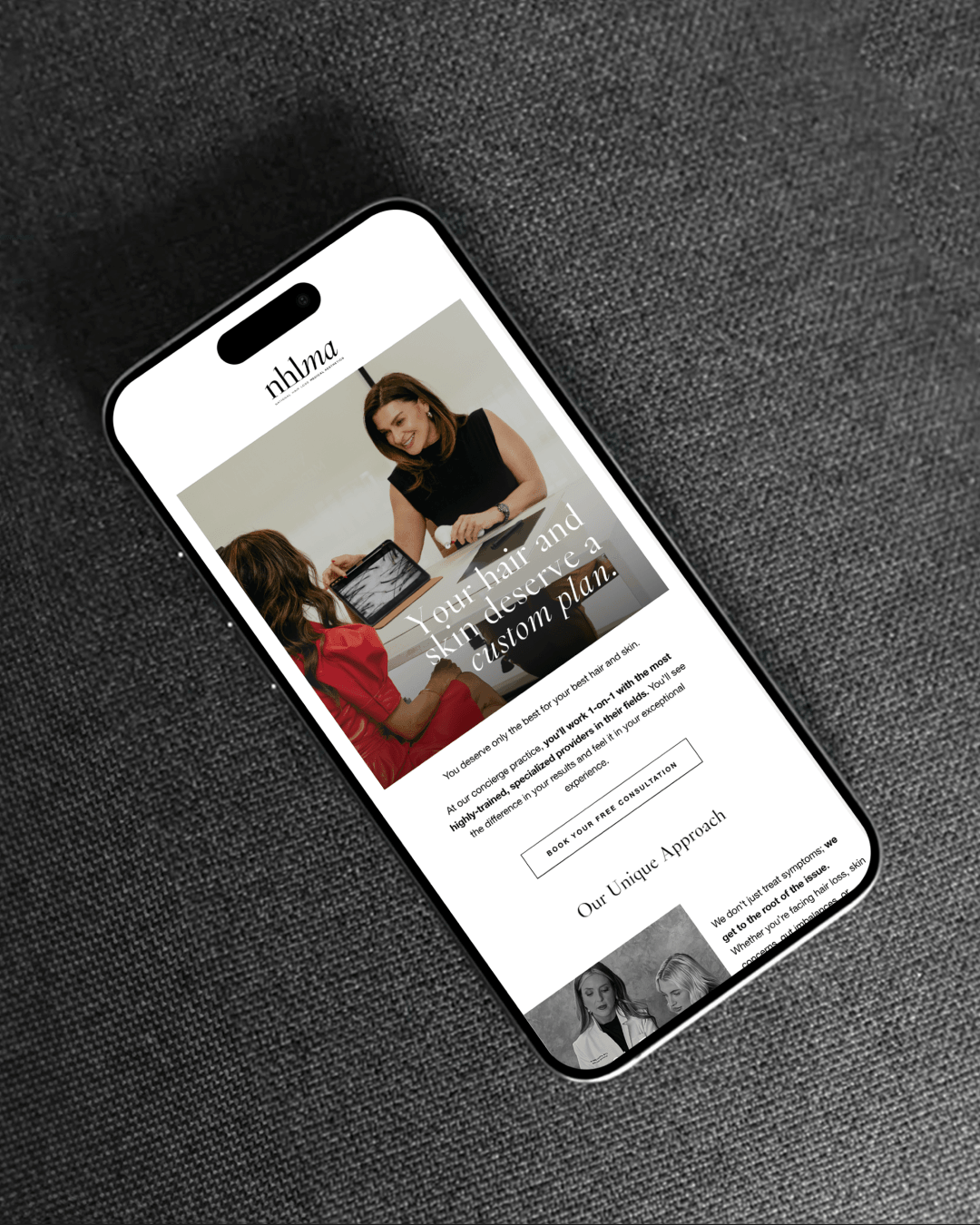
Make sure your email design matches your brand. Fonts, colors, and overall aesthetic should feel cohesive with your website and visual identity. A mismatched email design creates subtle distrust.
Test everything before you go live. Send test emails to yourself. Check every link. Read it on your phone. Make sure it looks and works the way you intend.
Review and refine over time. Your welcome sequence is not set-it-and-forget-it forever. Check your open rates and click rates periodically and update the content as your brand evolves.
Your Inbox Is a Relationship, Not a Broadcast Channel
Brands that win with email are the ones that treat their subscribers like real people, not just leads on a list. Your welcome sequence is the beginning of that relationship. It is the first impression, the handshake, the opening chapter of what could become a long and loyal connection between your brand and the people it is built to serve.
Take the time to build it with intention, write it in your real voice. Because a great welcome sequence does not just introduce your brand, it makes people glad they found you.
Want an email strategy that actually works as hard as you do?
At CL Studio, we help brands show up with clarity and consistency everywhere it counts, including the inbox, through thoughtful email marketing services. If you are ready to build intentional email sequences that convert at every touchpoint, we would love to be the team that helps you get there. Reach out and let us know where you are starting from.

Hi there! I'm so glad you found us in this corner of the internet.
I'm Chloe Leonard, the founder of CL Studio, a boutique creative agency based in Nashville, TN. After 10 years of working with hundreds of clients, including Almost 30 Podcast, Clearstem Skincare, Harper Collins, and Free People, I've become more passionate than ever about giving founders the clarity and tools to build brands that TRULY stand out.
We help service-based and eCommerce businesses move from DIY beginnings to fully-realized. brands – built with confidence and longevity in mind. Because good brands show up, but great brands own the room for years to come.