
By Chloe Leonard, Founder of CL Studio
Before a visitor reads a single word, click a button, or scroll down the page on your website, they have already formed an impression. And a huge part of that impression comes from color.
Contrary to what you might think, brand colors are not about picking your favorite shade or matching your logo. Color psychology in web design is the deliberate use of hue, tone, and contrast to shape how people feel, what they trust, and what they do next.
When it is done well, it is invisible. When it is done poorly, something just feels off and your visitor cannot quite explain why they left.
For web design for any kind of small to mid-sized businesses, here is what you need to know to use color with intention with your website.
Color Communicates Before Words Do
Research consistently shows that people make a subconscious judgment about a product or brand within seconds of first seeing it, and a significant portion of that judgment is based on color alone. That means your palette is not decoration: it is communication.
The colors you choose signal your brand values, your price point, your industry, and your personality without saying a single word.
A soft, muted sage green reads very differently than a bold, saturated cobalt. One is calm and organic. The other is confidence and full of energy. Neither is wrong. But if your brand is a luxury skincare line and your website is using neon yellow, there is a mismatch that your audience will feel even if they cannot name it.
Your color palette needs to be in alignment with your brand identity, your target market, and the action you want users to take. That is the starting point.
Here’s some examples for you to see the difference in colors and the impact it has on the overall brand communication. Be sure to look at these comparatively to one another and ask yourself in what ways their difference in colors is impactful to a viewer like yourself.
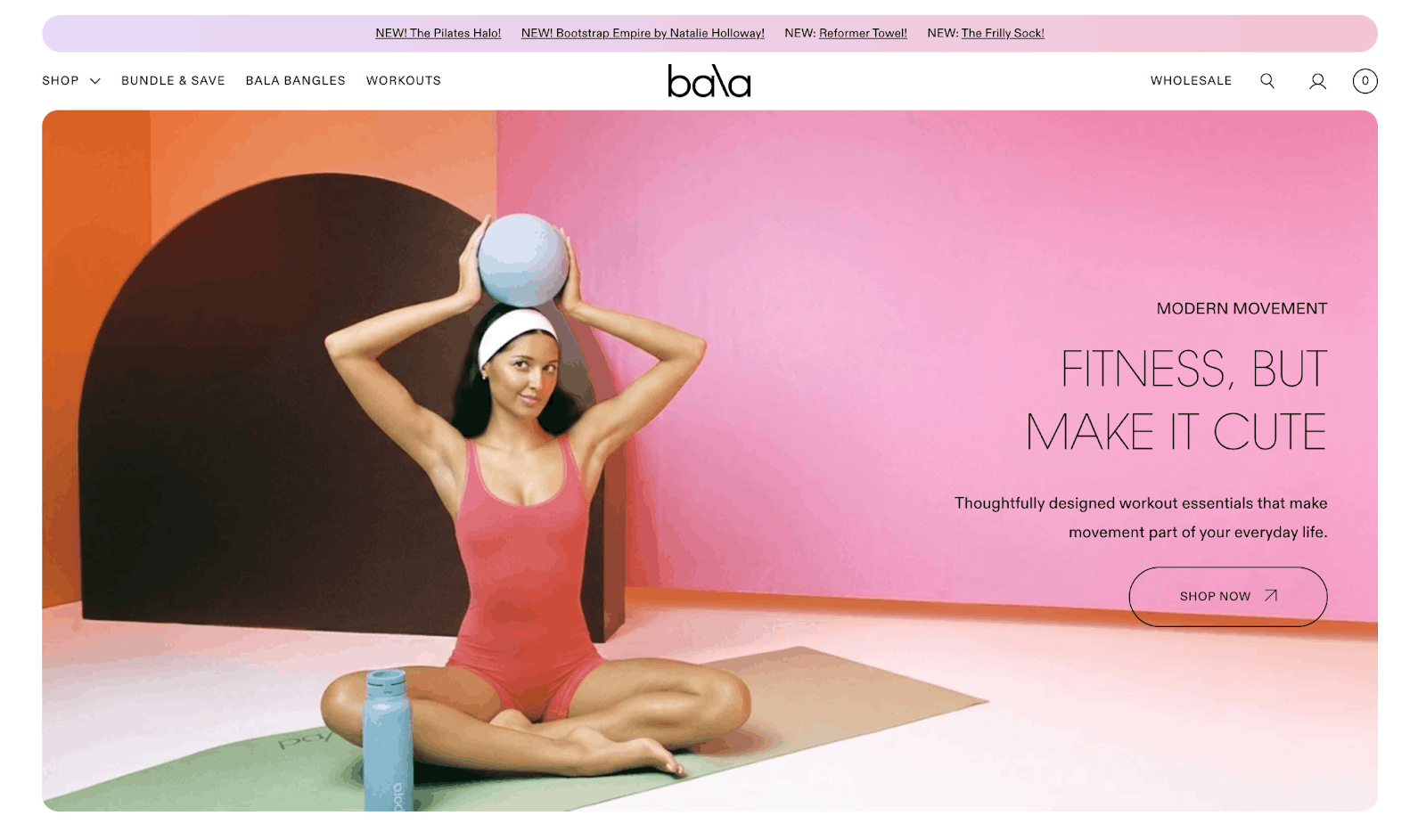
A fitness brand that feels energetic, upbeat, and fun because of their colors.
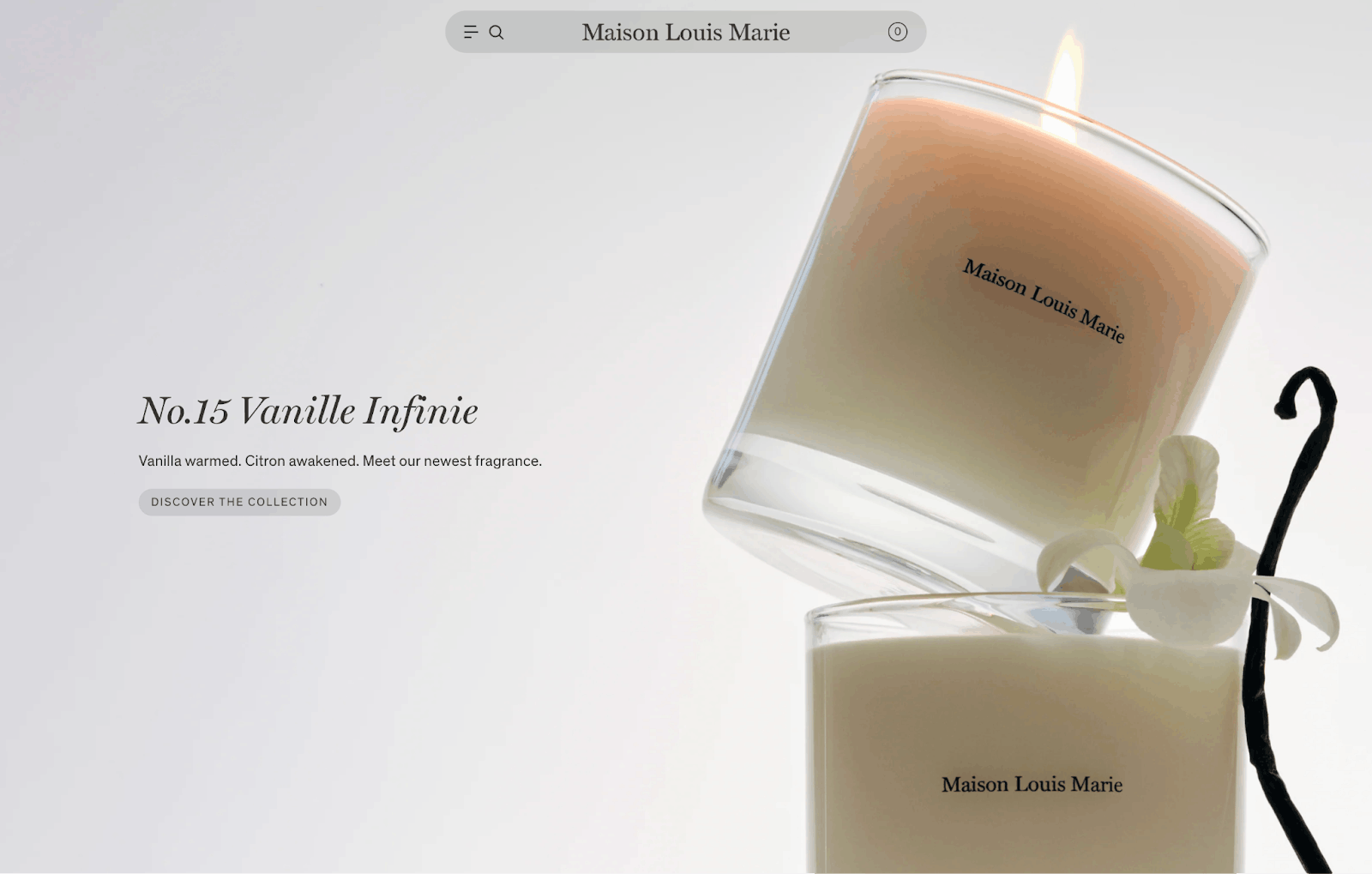
A luxury candle and perfume brand that feels timeless, airy, and clean because of their minimalistic colors.
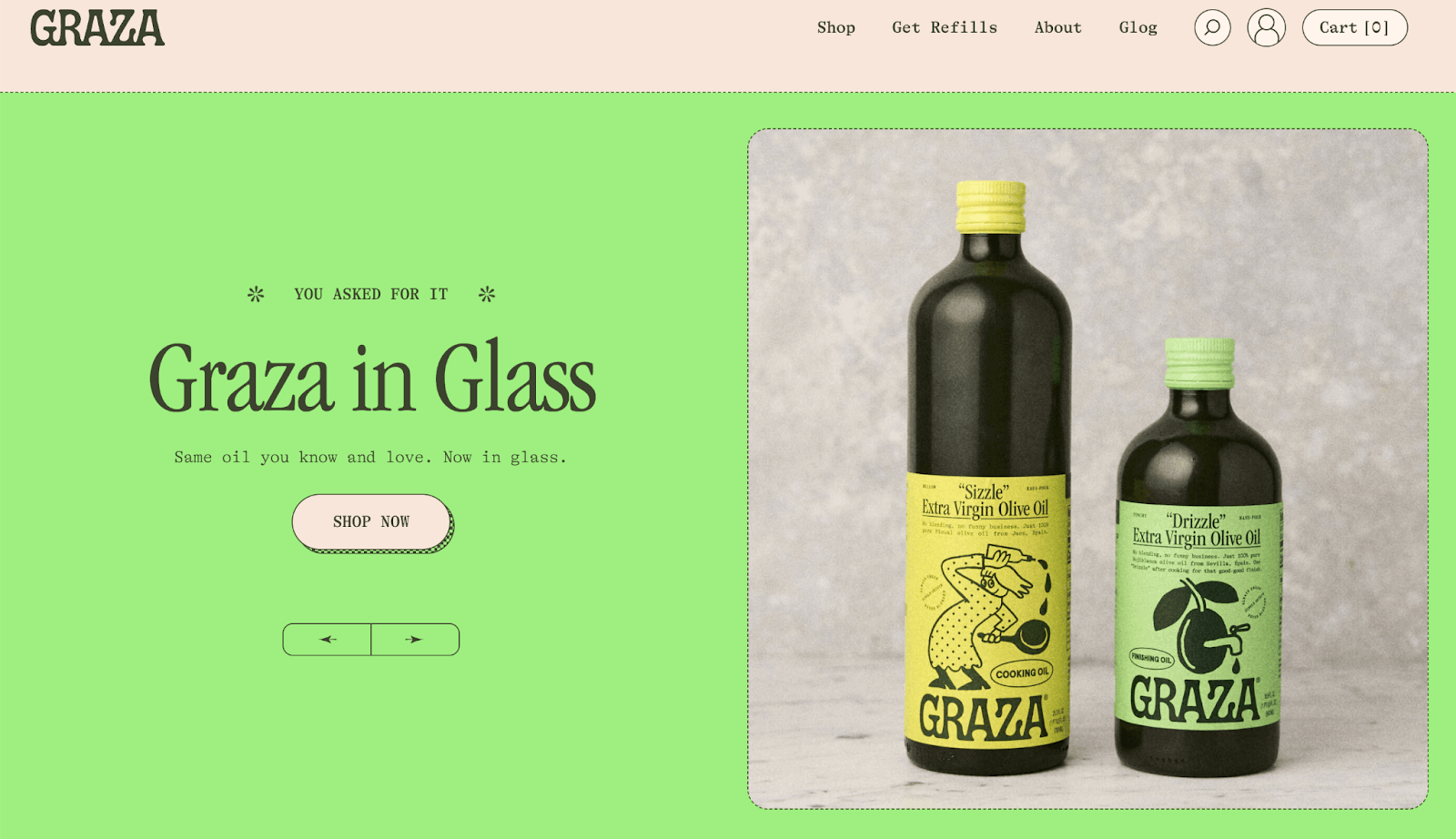
3. Graza
A modern olive oil company that feels youthful but grounded because of their colors.
What the Most Common Colors Actually Convey
Color associations are not universal across every culture, but in the context of Western digital branding and web design, here is how the major colors tend to land:
White and cream: Cleanliness, simplicity, luxury, openness. Often used in premium brands and wellness spaces to create breathing room and a sense of ease.
Black: Sophistication, authority, power, timelessness. Strong choice for high-end brands and anyone positioning at the top of their market.
Navy and deep blue: Trust, reliability, professionalism. Popular in finance, healthcare, and service businesses for a reason. Blue is one of the highest-converting colors for call-to-action buttons.
Warm earth tones (terracotta, camel, warm brown): Groundedness, approachability, warmth. Strong for lifestyle brands, coaches, and service businesses building personal connections.
Green: Wellness, growth, sustainability, calm. A natural fit for health-focused brands, though the shade matters enormously. Sage feels organic; lime feels energetic.
Red and orange: Urgency, energy, appetite, excitement. Used carefully, these can be powerful for call-to-action buttons or sale callouts. Overused, they create visual stress.
Purple: Creativity, spirituality, luxury. Depending on the shade, purple can feel mystical and editorial or regal and high-end.
How to Apply Color Theory to Your Website
Understanding what colors mean is only the tip of the iceberg. But, knowing how to use them strategically in a web layout is key.
Here are the core principles to work from:
1. Start with a defined palette, not an unlimited one.
A strong brand palette typically includes a primary color, one or two secondary colors, a neutral, and an accent. That is it. When you have too many colors competing on a page, nothing stands out and the brand feels incoherent. Constraints create clarity.
2. Use contrast to guide the eye.
Contrast is how you direct attention. Your call-to-action button should contrast against the background so it is impossible to miss. Your most important headline should have enough contrast to read clearly. Low contrast might look elegant in a mood board, but on a live website it creates friction and hurts conversions.
3. Let white space do its job.
White space is not empty space. It is breathing room, and it is one of the most underused design tools on the web. When content is crowded, the brain works harder to process it. When you give elements room to breathe, they feel more premium, more intentional, and more trustworthy.
4. Keep your accent color rare.
Accent colors exist to create emphasis. If you use your accent everywhere, it stops being an accent and starts being noise. Reserve it for the things you really want people to notice: a key stat, a button, a highlight, a section header. The more sparingly it appears, the more powerful it becomes.
5. Test how your colors perform, not just how they look.
A color palette that looks stunning in a brand presentation needs to hold up on a real web page with real copy, real images, and real users. What looks cohesive in a flat design mockup can become muddy or hard to read in a full layout. Test your palette in context before you commit.
The Biggest Mistake Brands Make With Color
Choosing colors based on personal preference rather than strategic intent. What you love and what your audience responds to are not always the same thing.
Your color choices should be rooted in your brand positioning, your target market, and the emotional experience you want to create.
For example, a therapist serving high-anxiety clients might love bold, saturated colors personally, but a soft, calm palette is going to do more work for their business. Whereas, a fitness brand founder might prefer muted tones, but their audience is energized by contrast and intensity.
Great brand design asks: what does my audience need to feel in order to trust me and take action? Then it builds from there.
Color and Consistency Across Your Website
One of the fastest ways to erode trust on a website is inconsistency.
If your homepage uses one palette and your services page uses something totally different, the visitor notices. It creates a subtle but real sense of disorganization, and disorganized brands feel like taking a risk for your audience.
Our creative agency for small businesses champions the idea that your color system needs to travel with you across every page, every section, and every element. That means defining rules for how your colors are used and actually following them.
Questions to ask yourself are:
Which color is for backgrounds?
Which color for headings?
Which colors are reserved for buttons and calls to action?
These decisions should be documented in a set of brand guidelines so that every touchpoint feels like the same brand, because it is.
Color Is Strategy
The most effective websites are not just beautiful. They are intentional. Every color choice has a reason behind it, every contrast serves a purpose, and every palette tells the visitor something true about the brand before they have read a single word.
If your current website feels off and you cannot quite put your finger on why, start by looking at the color (and by downloading our free brand audit guide here!). It might not be a copy problem or a structure problem. It might be that your palette is sending a message that does not match the brand you have built.
Color done right makes people stop, stay, and trust. That is not a small thing. That is the foundation of a website that actually works for your business.
Ready to build a website where every color choice has a purpose?

Hi there! I'm so glad you found us in this corner of the internet.
I'm Chloe Leonard, the founder of CL Studio, a boutique creative agency based in Nashville, TN. After 10 years of working with hundreds of clients, including Almost 30 Podcast, Clearstem Skincare, Harper Collins, and Free People, I've become more passionate than ever about giving founders the clarity and tools to build brands that TRULY stand out.
We help service-based and eCommerce businesses move from DIY beginnings to fully-realized. brands – built with confidence and longevity in mind. Because good brands show up, but great brands own the room for years to come.

book a brand & Web audit
Is a rebrand the right move for you?
Your brand and website should be working for you 24/7. Get a full Brand & Website Audit delivered in 5 business days so you can stop guessing, and start fixing.