
Wellness Branding in Nashville: What It Takes to Build Trust and Attract the Right Clients
Written by Chloe Leonard, Founder
Nashville's wellness community has grown into something genuinely remarkable over the past decade. From yoga studios and somatic therapy practices in East Nashville to functional medicine clinics and integrative health providers in Berry Hill, the city's wellness sector has expanded rapidly and grown more sophisticated at the same time.
That growth is worth paying attention to. The US wellness economy hit $2.1 trillion in 2024 and is growing at nearly 8% annually, according to the Global Wellness Institute. Mental wellness alone is the fastest-growing sector, expanding at 14% per year. In a city like Nashville, where people move intentionally and tend to invest in how they live, that national momentum is showing up at the neighborhood level.
But growth also means competition. And in a market this full, the businesses that stand out are the ones with brands that earn trust before anyone ever picks up the phone.
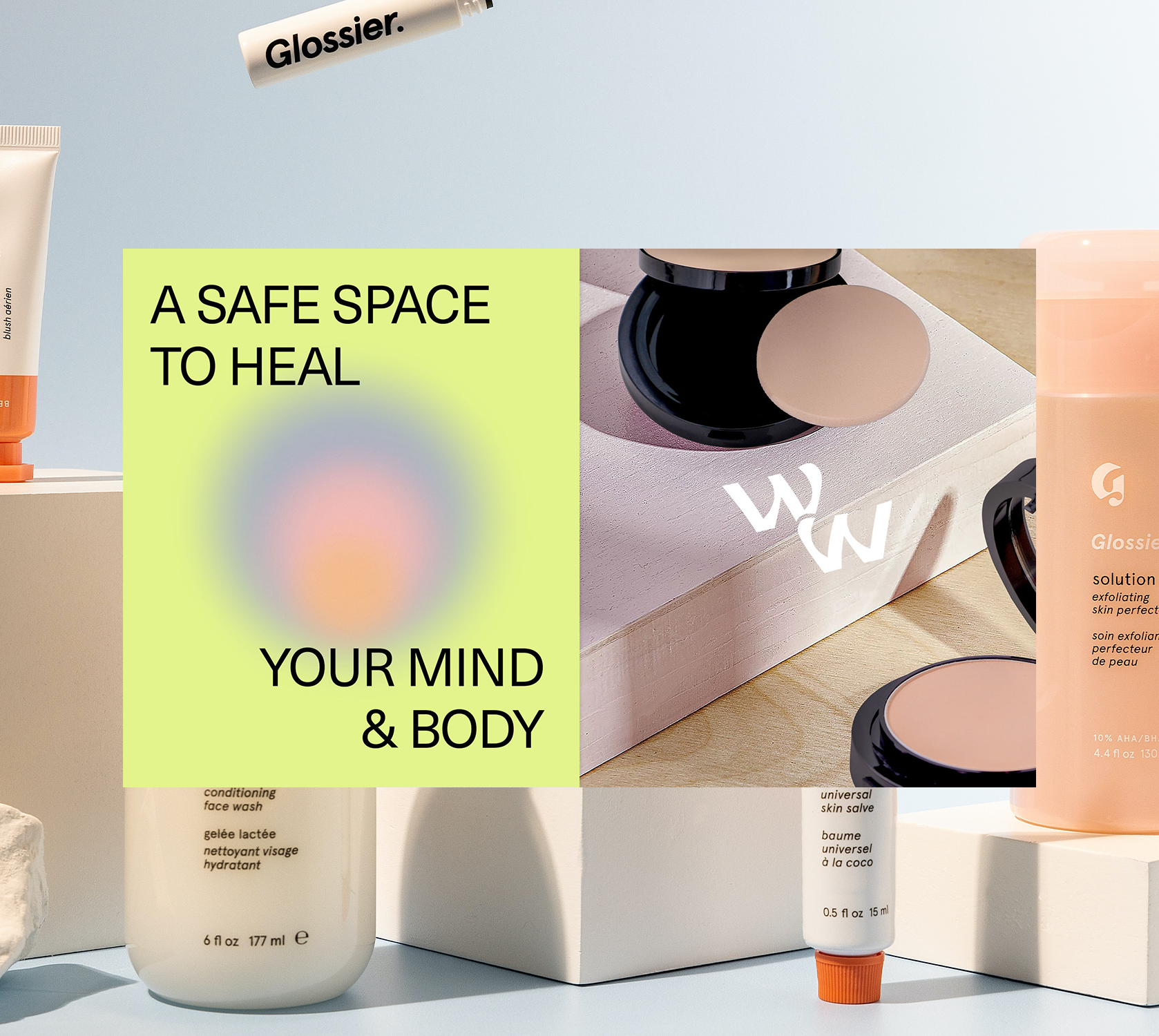
Why Trust Is the Only Thing That Actually Matters in Wellness Branding
People who are looking for wellness support are not casually browsing. They are often dealing with something real: chronic health challenges, burnout, anxiety, grief, a body that has stopped cooperating, or something they have never talked about out loud. The decision to reach out to a wellness provider involves a real degree of courage.
Your brand's job is to meet that courage with reassurance. It needs to communicate, before a single word is exchanged, that this is a safe place to land.
Research backs this up. Studies from Northumbria and Cardiff universities found that 94% of user feedback about websites relates to design rather than content, meaning the visual quality of your brand is shaping how potential clients feel about you before they read a single word. And according to Pew Research, 77% of people seeking health information online start at a search engine, which means most people are forming that first impression through your website, not through a personal referral.
A brand that feels cold, generic, or misaligned with your actual work is not just aesthetically off. It is actively turning away clients who would have been a great fit if only the brand had made them feel welcome enough to reach out.
What Wellness Branding Actually Needs to Do
The most effective wellness brands find a specific middle ground that is harder to hit than it looks.
Overly clinical aesthetics communicate efficiency but rarely communicate care. All-white interiors, stock photography of women meditating on beaches, and detached corporate copy can make a practice feel more like a transaction than a relationship. On the other side, overly soft or spiritual aesthetics can undermine credibility for providers who want to attract clients who are looking for evidence-based, rigorous work.
The brands that work are the ones that feel both professional and genuinely warm. Grounded design. Real photography. Language that speaks plainly about what you do without overselling it. A visual identity that makes someone feel, in the first ten seconds, that you understand them.
That is not an accident. It is a deliberate set of choices made at the brand level before a single page of the website is designed.
For a deeper look at how branding specifically drives visibility and growth for Nashville businesses, start here.
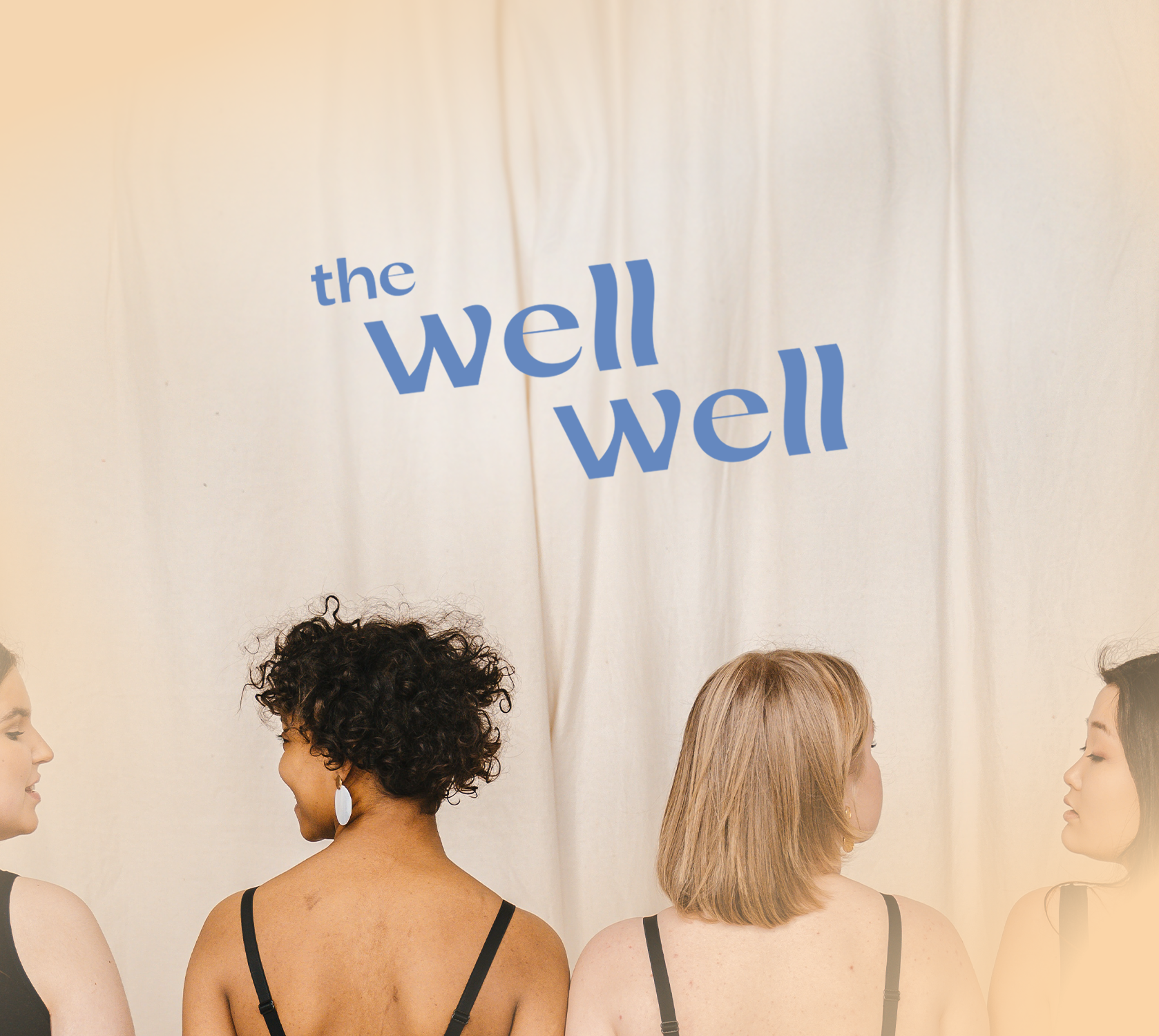
Your Niche Should Shape Your Visual Identity
Wellness is a broad category, and your brand should reflect your specific corner of it. A somatic therapist, a functional medicine doctor, a Pilates studio owner, and an integrative nutrition coach all work within the wellness space, but they serve genuinely different people in different ways. Their brands should look and feel different too.
This matters more than most business owners realize because a brand that tries to speak to everyone in the wellness space ends up speaking clearly to no one. The more specifically your brand speaks to your ideal client, the more powerfully it filters in the right people and filters out the wrong ones.
Before any visual work begins, the foundational questions are: who are you actually trying to reach, what do they need to feel before they trust you enough to reach out, and what makes your approach to this work different from the ten other practitioners in Nashville doing something similar?
The answers to those questions should drive every visual and verbal decision that follows.

Your brand and website should be working for you 24/7. Are they?
Get a full Brand & Website Audit delivered in 5 business days so you can stop guessing, and start fixing.
→ Limited Spots Available!
Brand Voice Is Not an Afterthought
In the wellness space, the way you communicate carries as much weight as the way you look. Your brand voice, the tone and personality across your website, your social media, your emails, and your intake forms, shapes how clients feel about your practice before they ever meet you.
Nashville wellness clients tend to be curious, values-driven, and genuinely allergic to anything that feels performative or sales-driven. The hard-sell approach that might work in other industries lands badly here. What works is speaking plainly about what you do, who it is for, and why you care about it. Letting your actual perspective come through rather than hiding behind polished, neutral language.
Educational content in particular builds real trust in this space. According to the Content Marketing Institute, businesses that prioritize educational content generate three times more leads than those focused primarily on promotion. Writing honestly about your area of expertise, sharing what you know, addressing the questions your clients actually ask, does more for your brand than any promotional campaign.
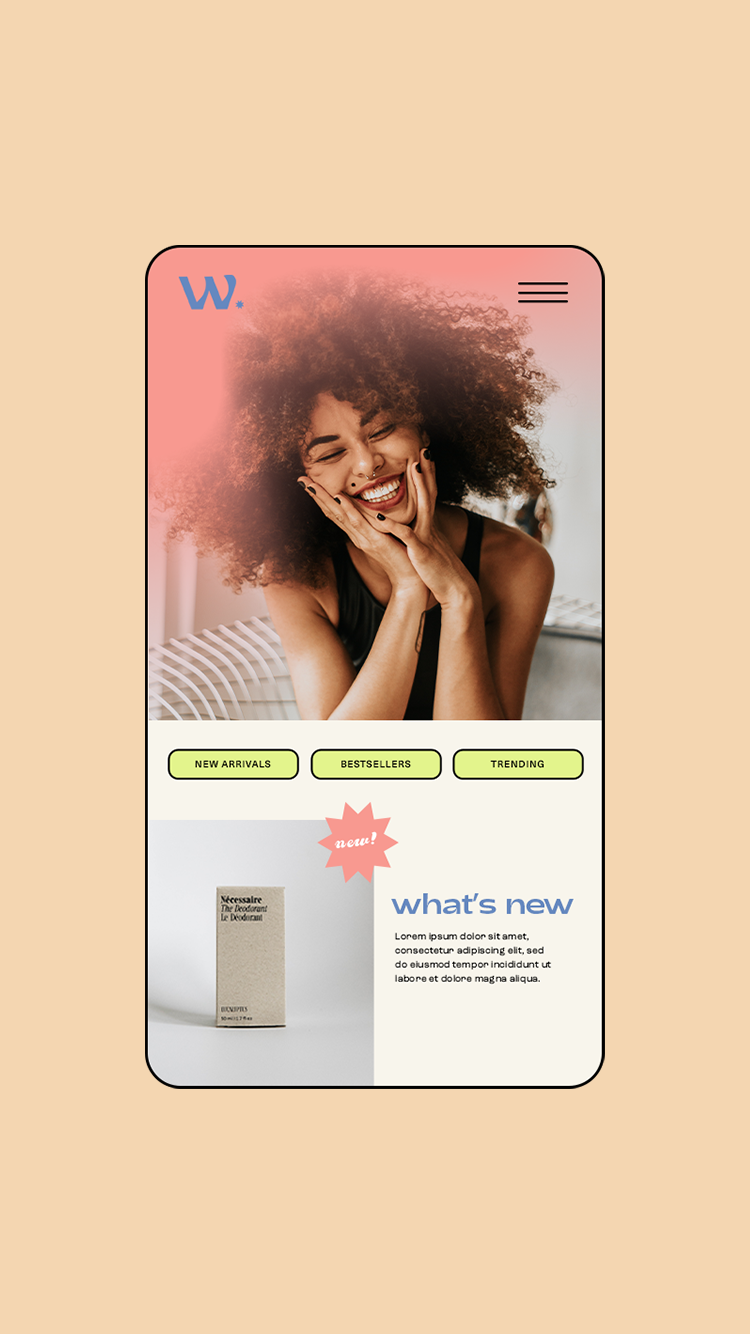
Local SEO and Your Nashville Wellness Brand
If your ideal clients are in Nashville, your brand and your website need to reflect that. This means more than just listing your address. It means writing about Nashville specifically, naming the neighborhoods you serve, referencing the context of living and working in this city, and building content that positions you as part of this community rather than a generic provider who happens to be located here.
Search engines reward specificity. A functional medicine clinic that has published thoughtful content about wellness in Nashville, written for people who actually live here, will consistently outperform a clinic with a beautiful but generic website.
Your Google Business profile, your location-specific service pages, and the geographic specificity of your blog content all work together to make you visible to the people who are looking for exactly what you offer, right here.
What a Brand Audit Actually Looks Like
If you are unsure whether your brand is doing its job, there are a few honest questions worth sitting with.
Does your brand feel like an accurate reflection of the quality and depth of your work, or does it feel like something you set up quickly when you launched and never revisited? Do the clients you are attracting match the clients you want to be working with? Do you feel comfortable sending someone directly to your website before you have had a chance to talk with them first? If you’re wanting more of an in-depth brand audit, download our free brand audit guide!
If the answers are uncomfortable, that is useful information! A brand that no longer reflects where you are is not a small thing. It is the first impression you are making on every potential client who finds you before they ever meet you.
Working with a Branding Studio That Understands This Space
Wellness branding requires a specific kind of sensitivity. It is not just about making something look pretty. It is about understanding the psychology of trust, the specific anxieties and hopes of people seeking health support, and the visual and verbal language that communicates care without sacrificing credibility.

Hi there! I'm so glad you found us in this corner of the internet.
I'm Chloe Leonard, the founder of CL Studio, a boutique creative agency based in Nashville, TN. After 10 years of working with hundreds of clients, including Almost 30 Podcast, Clearstem Skincare, Harper Collins, and Free People, I've become more passionate than ever about giving founders the clarity and tools to build brands that TRULY stand out.
We help service-based and eCommerce businesses move from DIY beginnings to fully-realized. brands – built with confidence and longevity in mind. Because good brands show up, but great brands own the room for years to come.